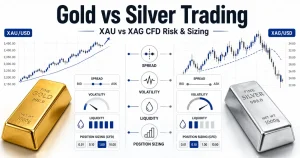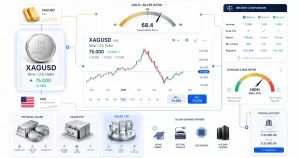




Gold trading risks are very different from what many beginners expect. XAU/USD looks simple on the chart, but once you add leverage, wider spreads, overnight financing, and fast macro-driven moves, small mistakes can become large losses very quickly.
This guide explains the 7 biggest reasons beginners lose money trading gold, plus the psychological traps that usually make those risks worse. If you plan to trade gold through FX or CFD platforms, read this before your next entry.
- Negative swap on overnight positions
- Volatility far above major FX pairs
- Weekend and event-driven price gaps
- Spread widening in thin liquidity
- Countertrend trades against strong moves
- Averaging down into a trending market
- Using too much leverage for gold’s speed
Why Gold Trading Is So Risky for Beginners
Gold is one of the most popular macro instruments in retail trading, but that popularity hides how unforgiving it can be. Gold can trend hard, react violently to U.S. data, gap after major events, and punish oversized positions much faster than many traders are used to.
If you are still learning the basics, start with our beginner guide to how gold trading works before you size a live position.

Risk 1: Negative Swap Can Drain Long Positions
Many beginners treat gold like a long-term inflation hedge, then discover that holding an XAU/USD buy position overnight often comes with negative swap or financing cost. That means you can be directionally right over time and still bleed money while you wait.
This is one of the biggest mismatches between physical gold and leveraged gold trading. A short-term trader may barely notice swap, but a swing trader who holds for days or weeks absolutely should.
- Check the broker’s current long and short swap before opening a trade
- Avoid holding positions without a clear overnight plan
- Compare swap conditions or swap-free structures carefully
Risk 2: Gold Volatility Is Much Higher Than Many New Traders Expect
Gold can move several dollars in minutes and dozens of dollars in a busy session. That is normal behavior, not an outlier. The problem is that many beginners size gold positions as if they were trading a slower major FX pair.
High volatility creates opportunity, but it also means your stop-loss must be placed intelligently and your position size must be smaller. If you are not adjusting for gold’s speed, you are not really managing risk.
Before you place size, review how much 1 lot of gold is worth and how pip value works on XAU/USD. A lot of avoidable losses start with bad math.
Risk 3: Gaps Can Defeat Your Stop-Loss
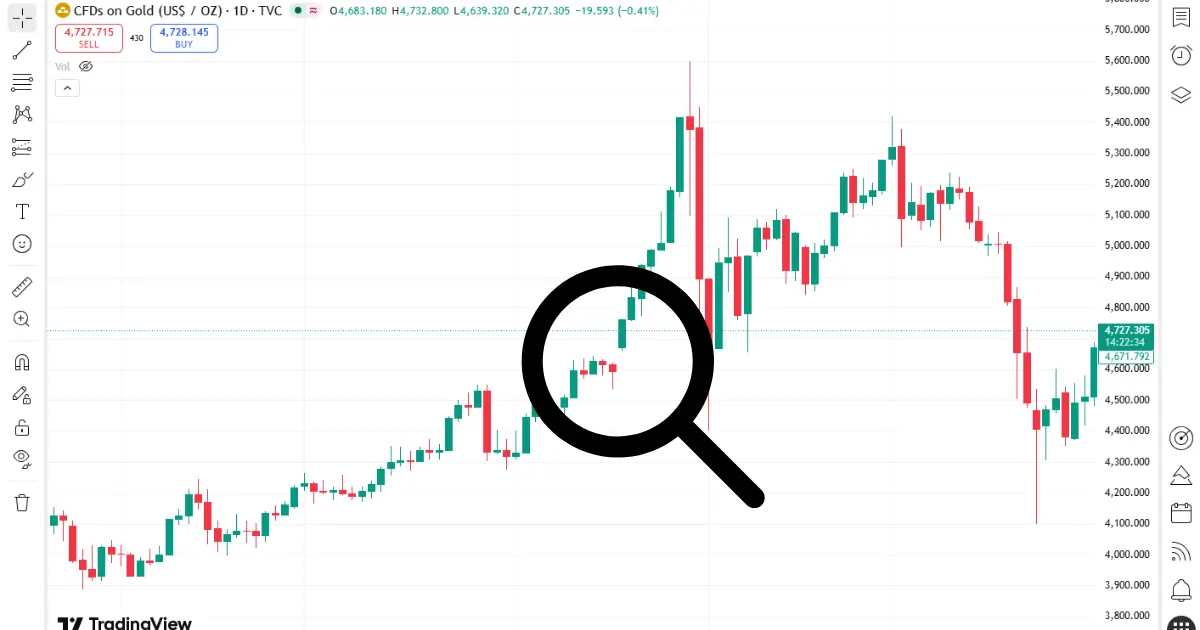
Gold does not trade in a perfectly smooth line. Weekend reopening, geopolitical shocks, and major macro surprises can produce price gaps. When that happens, your stop may fill much worse than the level you planned.
That is why gap risk is not just a technical detail. It is a position-sizing problem. If a gap beyond your stop would damage the account, your trade was too large to begin with.
- Reduce or close positions before weekends and high-impact events
- Use smaller size when you plan to hold over event risk
- Understand your broker’s liquidation and negative-balance policies
Risk 4: Spread Widening Raises Trading Costs at the Worst Time
Gold may be available almost 24 hours on weekdays, but conditions are not equally good all day. In thin liquidity, spreads widen, slippage gets worse, and short-term setups become less reliable.
The most active window is usually the London and New York overlap, while thin hours can be noticeably more expensive. Many beginners blame strategy failure when the real problem was trading gold at the wrong time of day.
- Prefer the London and New York overlap when possible
- Avoid random entries during quiet rollover periods
- Always factor spread into stop size and expected reward
Risk 5: Countertrend Trading Can Stay Painful Longer Than Expected
One of the most common beginner mistakes in gold is trying to call the exact top or bottom because the market looks “too extended.” Gold does not care what looks overbought on your feelings alone.
Strong macro narratives can keep gold moving much farther than beginners expect. A countertrend entry without a real reversal signal is often just a low-probability bet against momentum.
If you want a better framework for trend behavior, read our guide to how gold moves and why trends persist.
Risk 6: Averaging Down Can Turn a Bad Trade Into an Account Problem
Averaging down feels logical because it improves the average entry price, but in gold it can become deadly. When a fast market keeps moving against you, adding size multiplies the risk exactly when your original idea is already failing.
This is why many strategies that advertise high win rates collapse eventually. They survive by delaying the loss, not by controlling it.
- Decide the invalidation level before entry and honor it
- Do not add to a losing gold trade just because price moved farther than expected
- Use daily loss limits so one bad session cannot spiral
Risk 7: Too Much Leverage Makes Every Other Risk Worse
Leverage is the amplifier behind almost every gold trading disaster. Gold can already move fast enough on its own. When you combine that with an oversized position, normal intraday fluctuations become margin stress.
A practical beginner approach is to focus on effective leverage, not the broker’s advertised maximum. Many new traders would avoid most of their problems by trading smaller and staying solvent longer.
- Keep position size small enough that a normal gold move does not threaten the account
- Risk a small percentage of equity per trade rather than choosing size emotionally
- Maintain healthy free margin instead of trading near liquidation
The Psychological Risks of Gold Trading
Gold magnifies psychological mistakes because the market often moves fast enough to trigger fear, greed, and urgency in the same session. The technical risk is real, but the emotional execution risk is often what actually destroys consistency.
FOMO: Chasing a Move After It Already Happened
Gold spikes attract attention. When traders chase after a move just because they do not want to miss it, they often buy the emotional peak or sell the emotional low. The fix is simple but hard: trade a plan, not a headline.
Sunk Cost Bias: Refusing to Cut a Losing Trade
Beginners often hold a gold loser because closing it would make the mistake feel real. But the market does not reward denial. A small controlled loss is usually far cheaper than a hope-based hold.
Profit Fear: Letting Winners Turn Back Into Nothing
Gold can move enough to create meaningful open profit quickly, which tempts traders to keep holding for a bigger win with no exit structure. Predetermine targets, partial exits, or a trailing stop if that fits your style.
A Simple Gold Risk Checklist Before Any Trade
- Do I understand the exact lot size and pip value of this symbol?
- Is spread acceptable for this time of day?
- Am I holding through news, rollover, or the weekend?
- Is the stop-loss placed before the entry becomes emotional?
- Would this trade still be survivable if gold gaps beyond the stop?
- Am I taking this trade because of a setup or because I feel urgency?
If you cannot answer those questions clearly, the safest move is often no trade. That is still risk management.
The Most Important Rule: Trade Gold Smaller Than You Think
If you remember only one thing from this article, make it this: most beginner gold trading losses are not caused by a lack of predictions. They are caused by bad risk structure.
Understand swap, respect volatility, avoid thin-liquidity entries, stop averaging down, and keep leverage modest. That will do more for your survival than trying to guess every next move in XAU/USD.
For more practical setup and risk guides, browse copi-tools.com.
Gold Trading Risk FAQ
These are the most common questions beginners ask after their first difficult experience trading XAU/USD.