




If you want to learn how to trade gold, the product most beginners encounter first is XAU/USD. It lets you speculate on gold priced in U.S. dollars without buying or storing physical bullion.
For short-term traders, gold is attractive because it moves around major macro events, trades nearly 24 hours on weekdays, and can be bought or sold from platforms like MT4 and MT5. For long-term investors, though, physical gold or gold ETFs may be a better fit.
This beginner guide explains what XAU/USD means, how lot size and pip value work, when gold is most active, how to choose a broker.
- What XAU/USD gold trading is and how it differs from physical gold and ETFs
- How to start gold trading step by step
- How lot size, pip value, spread, leverage, and trading hours affect risk
How to Trade Gold: What XAU/USD Means

XAU/USD is the market symbol for gold quoted against the U.S. dollar. In plain English, it shows how many U.S. dollars it takes to buy 1 troy ounce of gold on the international market.
When you trade gold through an FX or CFD broker, you usually trade a contract linked to that price rather than owning bars or coins. That is why beginners should first decide whether they want short-term price exposure or long-term asset ownership.
| Method | What you own | Best for | Main trade-off |
|---|---|---|---|
| Physical gold | Bars, coins, allocated metal | Long-term wealth storage | Storage, spread, and lower liquidity |
| Gold ETF | Fund shares | Investors who want easy portfolio exposure | Exchange hours and fund fees |
| XAU/USD CFD | Price exposure only | Active traders who want two-way trading | Leverage, spread, and overnight financing risk |
Why Beginners Choose XAU/USD Gold Trading
Many beginners start with XAU/USD because it is flexible. You can trade rising or falling prices, place stop-loss and take-profit orders, and react quickly to news such as CPI, NFP, FOMC decisions, or sudden geopolitical shocks.
Gold is also one of the most actively traded macro instruments, so there is usually more price action and tighter spreads during the London and New York overlap than in quiet Asian hours. If you like event-driven trading, that matters.
How to Start Gold Trading in 5 Beginner Steps
- Check whether the product is available in your jurisdiction
- Choose a broker with good gold trading conditions
- Learn the contract specs before you place a trade
- Build a risk plan and start with a demo account
- Fund the account carefully and place a small first trade
Step 1: Check Jurisdiction, Regulation, and Product Access
Before comparing spreads or leverage, make sure the product itself is realistic for your country. Check whether the broker actually accepts residents from your jurisdiction, which entity will hold your account, and what dispute process applies if something goes wrong.
If your goal is simply to get gold exposure, compare CFDs with other structures first. In some jurisdictions, a regulated ETF or futures account is safer and easier than an offshore broker with aggressive marketing.
Step 2: Choose a Broker Built for Gold Trading
Not every FX broker is equally good for XAU/USD. Gold is more volatile than many major currency pairs, so small differences in contract specs can materially change your risk.
- Spread and execution quality during active news hours
- Contract size, minimum lot, and margin requirements
- Overnight financing or swap charges if you may hold positions for days
- MT4, MT5, or web platform stability on desktop and mobile
- Fast withdrawals, name-matching deposit rules, and clear fee disclosures
If you plan to hold gold positions for longer than a day, swap costs can change the trade economics quickly. If you want a deeper breakdown of downside scenarios, read our guide to gold trading risks before you trade live.
Step 3: Learn Lot Size, Pip Value, Spread, and Trading Hours
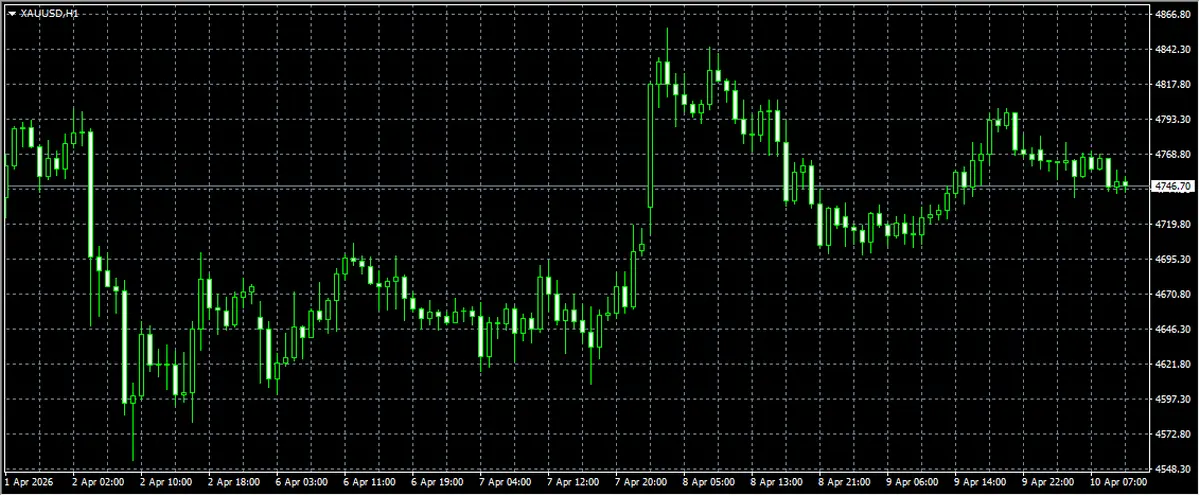
Beginners lose money on gold when they trade the symbol without understanding the contract. Gold looks simple on the chart, but the position size can become large very quickly.
| Item | Typical beginner rule |
|---|---|
| Price quote | XAU/USD is quoted in U.S. dollars per troy ounce |
| Standard lot | Many brokers set 1.00 lot = 100 troy ounces |
| Micro lot | 0.01 lot is often 1 troy ounce |
| Pip value | Many brokers use 0.10 as the smallest common gold pip increment |
| Trading hours | Usually close to 24/5, with a short daily break depending on broker |
For reference, CME lists benchmark gold contracts in U.S. dollars per troy ounce with a 100-troy-ounce contract unit. CFD brokers often mirror that 100-ounce standard, but not always, so verify the symbol specification before copying anyone else’s lot size.
If you want the math before risking capital, use our companion guides on how much 1 lot of gold is worth and how gold pips are calculated.
Best Time to Trade Gold
The busiest period is usually the London and New York overlap, roughly 8:00 a.m. to noon ET. That is when gold often has the best liquidity and the cleanest reaction to U.S. macro data.
Quiet hours can still move, but spreads are often wider and technical levels break less cleanly. Many beginners improve immediately just by avoiding thin trading periods.
Step 4: Build a Risk Plan Before You Think About Profit
Gold can move $10 to $30 quickly around news. That means leverage must stay under control. A good beginner rule is to risk only 1% to 2% of account equity on a single trade and use smaller lot sizes than you would on EUR/USD.
- Decide the stop-loss level before entry
- Size the position from account risk, not from excitement
- Avoid averaging down into a fast gold move
- Do not keep a position overnight unless you understand swap and event risk
If you are trying to understand why gold trends or suddenly reverses, read our guide to what makes gold prices move. It will help you connect the chart with macro drivers instead of trading random candles.
Step 5: Practice on Demo, Then Place a Very Small First Live Trade
A demo account is the fastest way to learn order entry, stop-loss placement, and how gold behaves around news without paying tuition to the market. Use the same platform, symbol, and chart setup you plan to use live.
When you move to a live account, keep the first trade small. Check the minimum deposit, withdrawal speed, base currency, and whether the broker requires the deposit and account holder name to match exactly. Operational mistakes are common beginner losses too.
What Moves Gold Prices Most
Gold is not just a chart pattern market. It responds strongly to macro conditions, especially when the U.S. dollar and real yields move sharply.
- U.S. dollar strength or weakness
- Real yields and interest-rate expectations
- Inflation data and central-bank policy
- Geopolitical shocks and broad risk aversion
- Large technical breakouts around major support and resistance zones
That is why many traders keep gold, DXY, U.S. Treasury yields, and the economic calendar on screen together. Trading gold is easier when you know what catalyst the market is actually reacting to.
Should Beginners Start Trading Gold?
Yes, but only if you treat gold as a leveraged macro instrument rather than a safe asset. XAU/USD is beginner-accessible on modern platforms, yet it can punish oversized trades very quickly.
The practical path is simple: confirm product access in your country, choose a broker carefully, learn the contract specs, practice on demo, and keep your first live risk small. That is a much better start than chasing gold because it looks exciting on social media.
If you want to keep studying before going live, explore more gold education at COPI.
- XAUUSD lot size calculator — lot size from your risk % and stop-loss distance
- XAUUSD margin & pip calculator — margin and pip value by lot size
- XAUUSD profit calculator — profit or loss from entry and exit prices
- XAUUSD specifications in MT5 — check contract size, tick value and swap in your platform
- XAUUSD spread comparison — measured gold spreads across broker accounts
Gold Trading FAQ
These are the questions beginners ask most often before opening an XAU/USD chart for the first time.